



Beat the Heat Without Compromising Protection: Managing Heat Stress with Advanced FR/AR Fabrics
Discover how advanced FR/AR fabrics and smart layering strategies help industrial workers manage heat stress without sacrificing flame-resistant protection.
When the Temperature Rises, So Does the Risk
As spring transitions into the intense heat of summer across the United States and Canada, workers in electrical utilities, oil and gas, and heavy industry face a dual threat: the ever-present danger of flash fire and arc flash — and the physiological toll of heat stress. The combination is not only uncomfortable; it can be life-threatening.
According to OSHA, heat stress is one of the leading causes of occupational illness in the U.S., contributing to thousands of cases of heat exhaustion and heat stroke each year. For workers required to wear flame-resistant workwear and arc-rated clothing, the burden is compounded. Heavy, poorly engineered industrial safety apparel can trap heat, reduce evaporative cooling, and accelerate fatigue — pushing workers closer to dangerous core body temperatures.
The good news: advances in FR fabric engineering are redefining what it means to stay both safe and cool on the job. At Coats, this innovation is driven by advanced fabric solutions that enable lightweight, high-performance solutions such as Coats® FlamePro™ fabrics, engineered specifically for demanding industrial environments.
👉 Explore more about our solutions: Coats® Fabrics Solutions
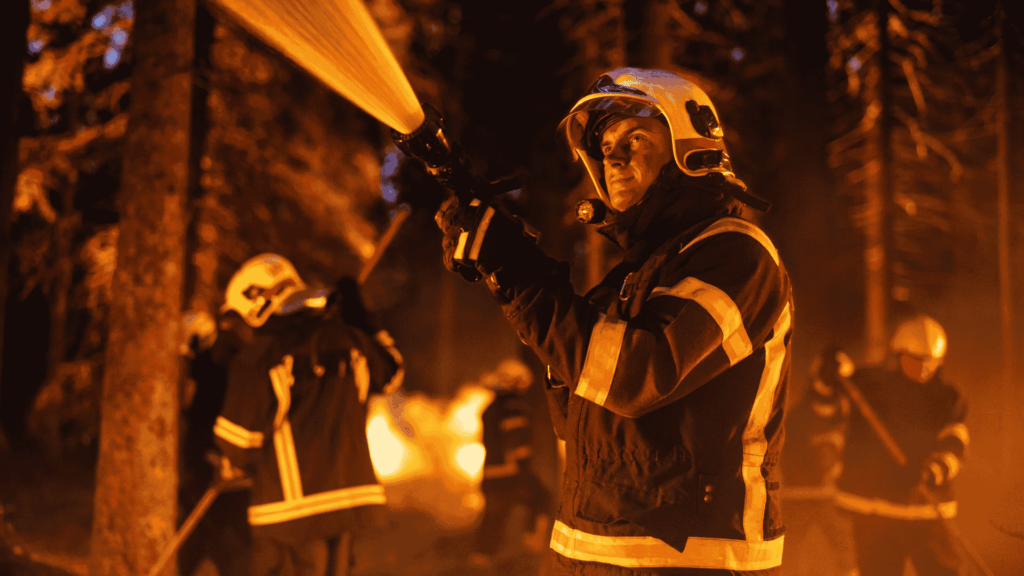
Understanding Heat Stress in FR/AR Clothing
Not all hazard protection is created equal — and in the context of heat, more protection is not always better protection. Many workers default to heavier, higher arc-rated garments, believing that excess protection provides a safety margin. In practice, this approach can introduce a new set of risks.
Heavy FR fabrics restrict airflow and limit the body’s natural ability to thermoregulate through sweat evaporation. When heat cannot escape, core body temperature rises. Workers become fatigued, less alert, and more susceptible to errors — increasing the risk of the very accidents the PPE is designed to prevent.
The goal of modern industrial safety apparel is not simply maximum protection — it is the right protection, matched to the specific hazard level, with maximum comfort and breathability built in.
Best Practices for Selecting FR/AR Clothing
Match the Arc Rating to the Hazard — No More, No Less
NFPA 70E and CSA Z462 provide frameworks for determining the appropriate arc rating for specific tasks. Workers should wear arc-rated clothing that meets — not significantly exceeds — the calculated incident energy at the work site. Overprotection means heavier, less breathable garments and greater heat burden.
Prioritize Lightweight Fabrics
Garment weight — typically expressed in ounces per square yard (osy) — is one of the most critical variables in heat stress management. Lightweight FR fabrics in the 4–6 osy range can deliver equivalent arc ratings to heavier alternatives while dramatically reducing thermal burden. When evaluating arc-rated clothing for summer use, osy should be a primary specification criterion, not an afterthought.
Advanced solutions such as Coats® FlamePro™ fabrics are designed to deliver optimal arc ratings at lower fabric weights, helping reduce heat burden without compromising certified protection levels.
Demand Breathability and Moisture Management
A garment’s ability to move moisture away from the skin — and allow it to evaporate — is as important as its weight. Look for moisture-wicking FR fabrics that actively transfer sweat from the skin’s surface to the outer face of the fabric, where it can evaporate and carry heat away from the body.
The Science of Smart Layering
Counterintuitively, adding a lightweight arc-rated base layer beneath an FR outer shell can actually improve thermal comfort compared to wearing a single heavy garment. Here’s why:
A moisture-wicking base layer pulls perspiration away from the skin, keeping the microclimate next to the body drier and cooler. The outer shell then provides the required arc protection without needing to manage moisture directly — allowing each layer to do what it does best.
Effective layering also provides flexibility: workers can adjust their thermal protection level as conditions change throughout the day, removing outer layers during lower-risk tasks and adding them back when hazard levels increase.
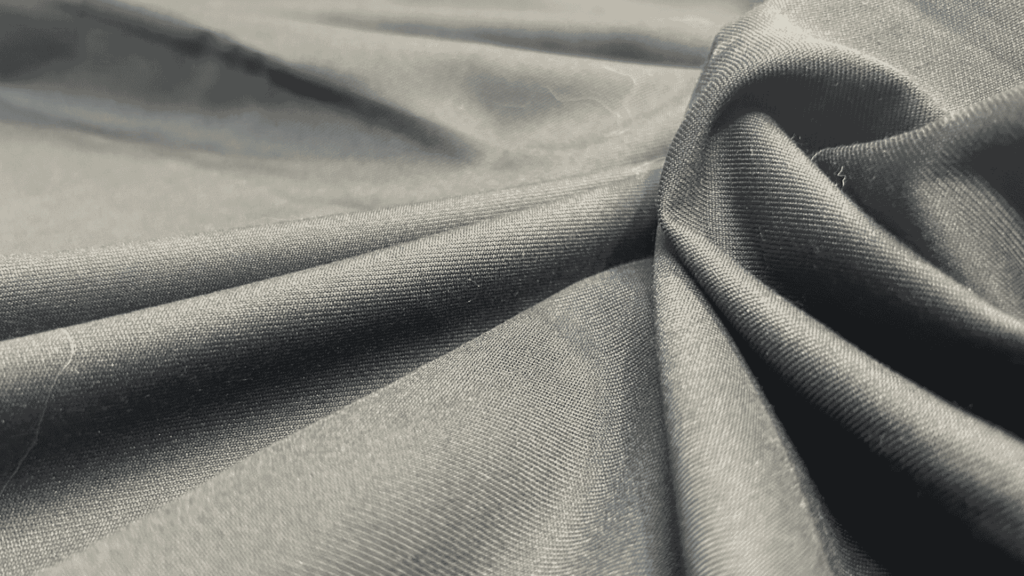
Fiber Innovation: The Hidden Differentiator in FR Performance
Not all FR fibers are equally suited to hot working environments. Understanding the moisture management properties of different fiber types is essential for specifying the right industrial safety apparel.
Hydrophilic vs. Hydrophobic Fibers
- Hydrophilic fibers (e.g., cotton, modal, viscose) absorb moisture into their core structure. This can be beneficial for absorbing initial perspiration but may lead to saturation and reduced evaporation under high sweat loads.
- Hydrophobic fibers (e.g., certain synthetic FR fibers) repel water, driving moisture to the surface for faster evaporation. However, on their own, they may feel clammy against the skin.
- Blended fabrics — combining hydrophilic and hydrophobic fiber types — offer the most balanced moisture management profile: absorbing sweat quickly, transporting it efficiently, and facilitating evaporation before the garment becomes saturated.
It is also important to consider how moisture management performance is achieved. Some fabrics rely on chemical finishes to enhance wicking properties. While effective initially, these finishes can diminish over time due to repeated home or industrial laundering, reducing the garment’s ability to manage moisture effectively.
In contrast, fabrics engineered with inherent moisture management — achieved through fiber selection, blend composition and yarn construction — offer more consistent and long-lasting performance throughout the life of the garment.
Why Blends Outperform Single-Fiber Fabrics
A 100% cotton FR fabric provides reliable flame resistance and good initial moisture absorption — but at higher osy weights, it retains moisture and becomes heavy when wet. Pure aramid fabrics offer exceptional thermal protection but are inherently hydrophobic and can feel stiff and uncomfortable in sustained heat.
Modern blended FR fabrics — engineered to combine the protective qualities of multiple fiber types — deliver superior performance across all three stages of moisture management: absorption close to the skin, efficient wicking along the fabric structure, and rapid evaporation at the outer surface. This three-stage process is the key to sustained comfort during prolonged heat exposure.
The quality and construction of the yarn used in FR fabrics plays a defining role in achieving this performance. At Coats, advanced yarn engineering — including precise fiber blending, optimized twist levels, and controlled surface characteristics — ensures consistent protection, enhanced moisture management, and long-term durability.
This expertise is embedded into solutions like Coats® FlamePro™, enabling fabric manufacturers to create next-generation FR fabrics that balance protection, comfort, and performance — even in extreme heat conditions.
Practical Guidance for Safety Managers and Workers
For Safety Managers and PPE Specifiers
- Conduct a task-specific arc flash risk assessment before specifying PPE categories. Avoid blanket over-specification of arc-rated clothing.
- Request technical data sheets for any FR fabric under consideration, including osy weight, arc rating (ATPV or EBT), moisture-wicking test results, and care/durability data.
- Include heat stress risk in your seasonal PPE review processes, particularly as ambient temperatures rise above 80°F (27°C).
- Consider building a summer PPE wardrobe: lightweight single-layer options for routine tasks, strategic layering systems for higher-hazard environments.
For Workers in the Field
- Never substitute non-FR garments for comfort. Even on hot days, FR requirements exist because hazards don’t take summers off.
- Wear moisture-wicking FR base layers where possible — they make a measurable difference to perceived comfort and core temperature regulation.
- Stay hydrated and monitor yourself and colleagues for early signs of heat stress: excessive sweating, dizziness, nausea, or confusion.
- Follow your employer’s heat illness prevention program, including scheduled rest breaks in cool or shaded environments.
Innovation Is the Answer to the Heat-Protection Dilemma
Managing heat stress in hazardous environments is not a matter of choosing between safety and comfort — it is about selecting the right technology to deliver both. As FR fabric innovation advances, the gap between protection and performance continues to narrow.
Solutions built on advanced yarn engineering — like Coats® FlamePro™ fabrics — are enabling a new generation of lightweight, breathable, and high-performance protective textiles tailored for the evolving needs of North American industries.
For safety managers, PPE buyers, and garment manufacturers, the next step is clear: move beyond basic compliance and adopt a more strategic, performance-driven approach to FR fabric selection.
Partner with Coats to develop high-performance FR fabric solutions tailored to your application.
Contact Our Experts here
Because when it comes to worker safety in extreme conditions — every fiber matters.